01
Chilled Grape & Walnut Cheese Board
Explore Recipe GuidePair cold fresh red grapes with raw walnut halves and small slices of aged goat cheese.
Grapes are among the world’s most popular and ancient fruits, prized for their sweet taste, refreshing juiciness, and impressive polyphenol profile. Whether enjoyed fresh off the vine or dried as raisins, grapes supply essential vitamins (Vitamin K, Vitamin C), potassium, and potent antioxidants like resveratrol, quercetin, and anthocyanins. Clinical trials published in the Journal of Nutrition and Nutrients demonstrate that regular consumption of grape polyphenols helps support vascular elasticity, protects LDL cholesterol from oxidation, and promotes healthy circulation to both heart and brain tissue.
The widespread benefits of grapes in human nutrition stem from their rich concentration of polyphenols located in grape skins and seeds. Key advantages of grapes include their ability to stimulate endothelial nitric oxide production, helping blood vessels relax, protecting LDL cholesterol from oxidative stress, and supporting overall arterial flexibility.
The deep red, purple, and blue hues of grape skins stem from high concentrations of specialized polyphenols, led by resveratrol and anthocyanins.
The nutritional breakdown below represents official data from the USDA FoodData Central database for 100 grams of fresh raw red or green grapes compared to 1 cup of whole grapes (151g).
| Nutrient | Amount (per 100g) | Amount (per 1 cup fresh seedless grapes (151g)) | % Daily Value (%DV) | Why Your Body Needs It |
|---|---|---|---|---|
| Calories | 69 kcal | 104 kcal | — | Light, hydrating energy for your body |
| Water Content | 80.5g | 121.6g | — | Supports cellular hydration and tissue volume |
| Total Carbohydrates | 18.1g | 27.3g | — | Easy-to-digest carbohydrates paired with polyphenols |
| Dietary Fiber | 0.9g | 1.4g | 5% | Gentle dietary fiber supporting gut transit |
| Total Sugars | 15.5g | 23.4g | — | Natural glucose and fructose |
| Total Fat | 0.16g | 0.24g | 0% | Virtually fat-free |
| Protein | 0.72g | 1.09g | 2% | Small natural protein contribution |
| Glycemic Index (GI) | 53 (Low-to-Medium) | 53 (Low-to-Medium) | Low-to-Med | Low-to-medium GI, best paired with nuts or cheese |
| Vitamin K1 | 14.6µg | 22.0µg | 18% | Supports healthy blood clotting and bone strength |
| Vitamin C | 3.2mg | 4.8mg | 5% | Provides gentle antioxidant immune support |
| Potassium | 191mg | 288mg | 6% | Supports fluid balance and blood pressure regulation |
| Copper | 0.13mg | 0.19mg | 21% | Essential for red blood cell synthesis and nerve signaling |
The reference matrix below outlines how fresh grapes fit into everyday health management, based on clinical trials and dietary guidelines.
| Condition / Disease | Impact | General Guidance | Why (Mechanism + Verdict) |
|---|---|---|---|
| Heart & Vascular Health | Positive | Eat 1 cup fresh daily | Strong supportive evidence. Resveratrol and grape polyphenols help maintain flexible blood vessel walls and lower lipid oxidation. |
| Diabetes & Blood Sugar | Caution | Limit to 1/2 cup with nuts | Requires portion tracking. Grapes have a low GI (53) but 23.4g sugar per cup. Enjoying 1/2 cup paired with raw walnuts prevents sugar spikes. |
| Brain & Memory Health | Positive | Daily whole grape snack | Promising evidence. Anthocyanins and resveratrol encourage microvascular cerebral blood flow and cognitive clarity. |
| Eye & Retina Defense | Positive | Include in regular diet | Good supportive evidence. Lutein and zeaxanthin in grape skins protect macular eye tissues from oxidative light stress. |
| Weight Loss & Dieting | Caution | Track daily portions | Portion sensitive. Easy to overeat due to high sweetness; track portions to stay within target daily calories. |
| Kidney Disease (CKD) | Positive | Enjoy in standard portions | Safe choice. Contains modest potassium (191mg/100g), making it easily manageable in kidney portion targets. |
| Pregnancy | Positive | Wash skin thoroughly | Nourishing option. Supplies natural hydration, Vitamin K, and copper essential for tissue growth and blood health. |
| Pets (Dogs & Cats) | Avoid (Toxic) | STRICTLY TOXIC TO PETS | STRICTLY TOXIC. Grapes and raisins cause acute kidney failure in dogs and cats. Never feed grapes or raisins to pets under any circumstances. |
| Dental Health | Caution | Rinse mouth after eating | Natural fruit sugars. Natural sugars can cling to teeth; drinking a glass of water after eating grapes protects tooth enamel. |
Explore visual varieties and characteristics.
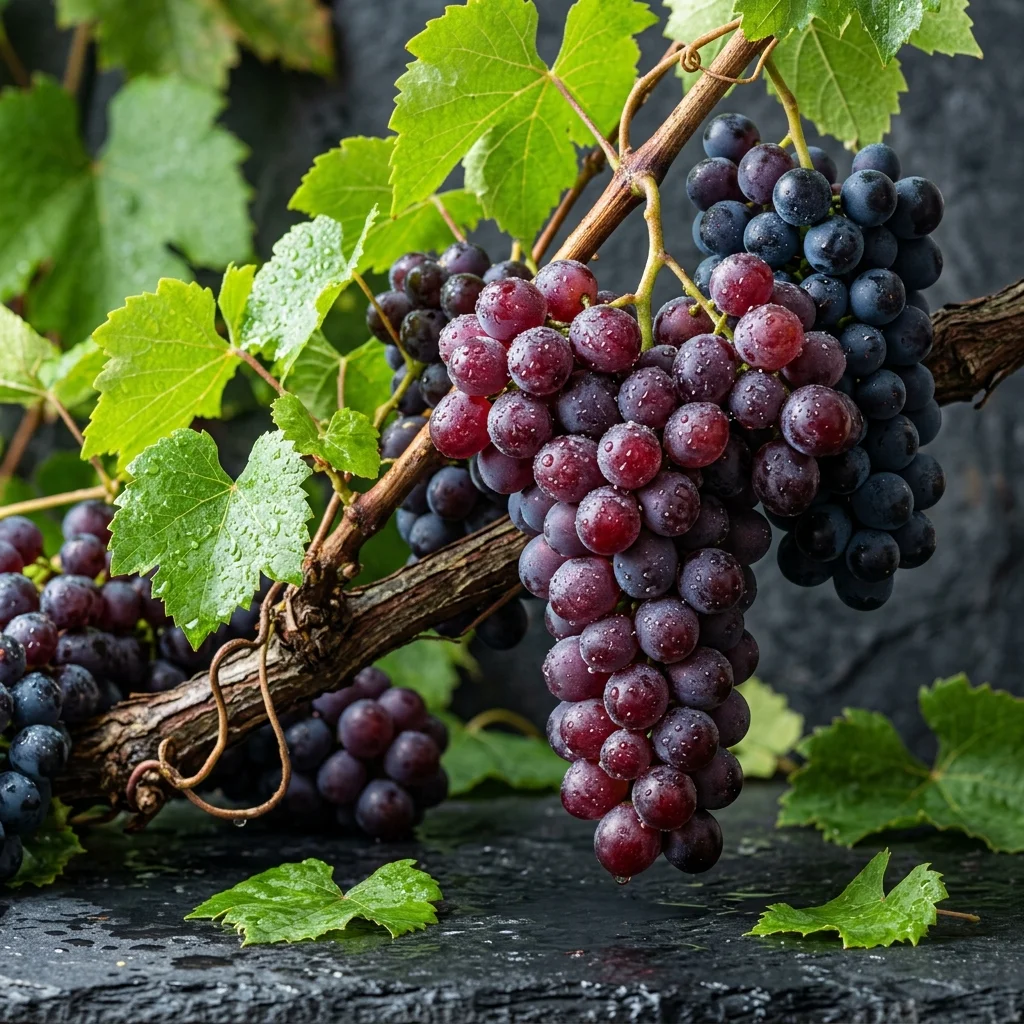
Dark red, purple, and black grape skins contain significantly higher concentrations of resveratrol and anthocyanins compared to green table grapes.
The outer skin of red and purple grapes contains the vast majority of their total polyphenol and antioxidant content. Wash thoroughly under cold water and eat whole!
Combine fresh grapes with raw almonds, walnuts, or Greek yogurt. Protein and fat slow down gastric emptying, maintaining stable blood sugar.
Store unwashed grapes in a perforated plastic bag in your refrigerator crisper drawer. Wash grapes right before eating to keep them crisp for up to 7 days.
Traditional preparations and global recipes celebrating wholesome ingredients, balanced textures, and rich culinary heritage.
Pair cold fresh red grapes with raw walnut halves and small slices of aged goat cheese.
Wash red seedless grapes, pat dry, and freeze for 2 hours for a 100% natural, crunchy frozen summer candy replacement.
Roast red grapes with a drizzle of extra virgin olive oil and fresh rosemary for 15 minutes, then serve over warm quinoa or spinach.
Blend 1 cup of dark grapes with baby spinach, cucumber slices, coconut water, and lime juice for a cooling antioxidant green smoothie.
According to Healthline and clinical studies, grapes are rich in resveratrol, anthocyanins, Vitamin K, and potassium. Eating grapes supports blood vessel flexibility, healthy blood pressure, brain blood flow, and heart wellness.
Yes! While both varieties supply hydration and potassium, dark red and purple grapes get their deep color from concentrated **anthocyanin** and **resveratrol** antioxidants stored in their skins, which are absent in green table grapes.
Yes! Grapes and raisins are **strictly toxic to dogs and cats**, as they can cause sudden acute kidney failure even in small amounts. Always keep all grapes and raisins safely stored away from pets.
Yes, in controlled portions. Grapes have a low-to-medium Glycemic Index (GI 53). Enjoying a 1/2 cup serving alongside raw walnuts or almonds prevents blood sugar spikes.
Resveratrol is concentrated primarily in the outer skin of red and purple grapes, where it serves as a natural plant defense compound against environmental stress.
Raisins contain concentrated grape polyphenols and fiber, but because water has been removed, their calorie and sugar density per 100 grams is over 4 times higher than fresh grapes (299 kcal vs 69 kcal per 100g). Portion control is essential when enjoying raisins.
Have a moment? Share your feedback or suggestions via Google to help us produce even higher quality, evidence-based nutrition guides.
No saved articles yet.
Click the bookmark button 🔖 inside any article to save it here for offline reading!

Hi! I am Mapple AI, your food science research companion. Ask me anything about biomolecules, organic diet patterns, or longevity recipes.