01
Fresh Lime-Drizzled Papaya
Sliced ripe papaya drizzled with fresh lime juice and a dash of chili powder for a classic Mexican fruit snack (Ensalada de Papaya).
Papaya is a luscious, tropical fruit renowned for its sweet flavor and digestive benefits. Beyond supplying essential vitamins like Vitamin C and Vitamin A, papaya contains a unique natural digestive enzyme called papain. According to clinical trials published in Neuro Endocrinology Letters and the British Journal of Nutrition, eating papaya helps break down tough dietary proteins, relieves stomach bloating, and supplies highly bioavailable antioxidants that support immune and cellular health.
In many global regions and tropical culinary cultures, papaya is also commonly referred to as pawpaw. The unique benefits of papaya fruit stem from its potent synergy of papain, lycopene, and Vitamin C. Among the standout advantages of papaya (and the chief health benefit of pawpaw) is its natural ability to soothe stomach tightness, break down complex proteins after heavy meals, and support bowel motility without causing digestive distress.
Papaya is famous in clinical nutrition because of its unique active biochemistry, particularly the proteolytic enzyme papain and the carotenoid beta-cryptoxanthin.
The nutritional breakdown below represents official data from the USDA FoodData Central database for 100 grams of raw ripe papaya compared to 1 cup of cubed fresh papaya (145g).
| Nutrient | Amount (per 100g) | Amount (per 1 cup fresh cubed papaya (145g)) | % Daily Value (%DV) | Why Your Body Needs It |
|---|---|---|---|---|
| Calories | 43 kcal | 62 kcal | — | Light, hydrating energy for your body |
| Water Content | 88.1g | 127.7g | — | Excellent hydration for skin and tissues |
| Total Carbohydrates | 10.8g | 15.7g | — | Easy-to-digest carbs paired with natural fiber |
| Dietary Fiber | 1.7g | 2.5g | 9% | Promotes regular bowel movement and gut motility |
| Total Sugars | 7.8g | 11.3g | — | Gentle natural fruit sugar |
| Total Fat | 0.26g | 0.38g | 1% | Virtually fat-free |
| Protein | 0.47g | 0.68g | 1% | Small natural protein contribution |
| Glycemic Index (GI) | 60 (Medium) | 60 (Medium) | Medium | Moderate GI, best paired with healthy protein |
| Vitamin C | 60.9mg | 88.3mg | 98% | Powerful antioxidant for immune defense & skin |
| Vitamin A (Beta-Carotene) | 47µg RAE | 68µg RAE | 8% | Supports healthy vision and mucosal membranes |
| Folate (Vitamin B9) | 37µg | 54µg | 14% | Essential for cell division and fetal growth |
| Potassium | 182mg | 264mg | 6% | Supports fluid balance and blood pressure |
The reference matrix below outlines how papaya fits into everyday health management, based on clinical trials and nutritional guidelines.
| Condition / Disease | Impact | General Guidance | Why (Mechanism + Verdict) |
|---|---|---|---|
| Constipation & Bloating | Positive | Eat 1 cup daily after meals | Strong clinical evidence. Papain enzymes and dietary fiber accelerate gastric transit and relieve protein-induced bloat. |
| Diabetes & Blood Sugar | Caution | Limit to 1/2 cup with protein | Helpful with moderation. Papaya has a moderate GI (60) and 7.8g sugar/100g. Enjoy in controlled portions alongside Greek yogurt or nuts. |
| Heart & Vascular Health | Positive | Daily fresh fruit serving | Good supportive evidence. High Vitamin C (68% DV/100g) and bioavailable carotenoids help protect arterial walls from oxidative stress. |
| Immune System Support | Positive | Eat fresh raw slices | Highly supportive. 1 cup provides nearly 100% of your daily Vitamin C needs, supporting white blood cell production. |
| Pregnancy | Caution | Ripe papaya only; avoid green | Ripe is safe; green is unsafe. Fully ripe yellow/orange papaya is safe and supplies Folate (37µg/100g). Unripe green papaya contains concentrated latex, which can trigger uterine contractions. |
| Latex-Fruit Allergy | Avoid (If Sensitive) | Avoid or test carefully | Cross-reactivity risk. People with latex allergies may experience allergic reactions to papaya due to shared chitinase proteins. |
| Kidney Health (CKD) | Positive | Enjoy in standard portions | Safe choice. Contains modest potassium (182mg/100g), making it easier to fit into renal portion targets than bananas or avocados. |
| Infants & Toddlers | Positive | Pureed ripe papaya | Ideal weaning food. Soft texture, gentle sugars, and natural Vitamin C make pureed ripe papaya an excellent first food for babies over 6 months. |
| Pets (Dogs) | Positive | Ripe flesh only; remove seeds | Safe crunchy treat. Ripe papaya flesh is safe for dogs in small amounts. Always remove seeds and skin, as seeds can be a choking hazard. |
| IBS & Sensitive Stomachs | Positive | Low-FODMAP in 140g portions | Gentle gut option. Ripe papaya is Low-FODMAP up to 140g per meal, making it a soothing fruit for sensitive digestive tracts. |
Explore visual varieties and characteristics.
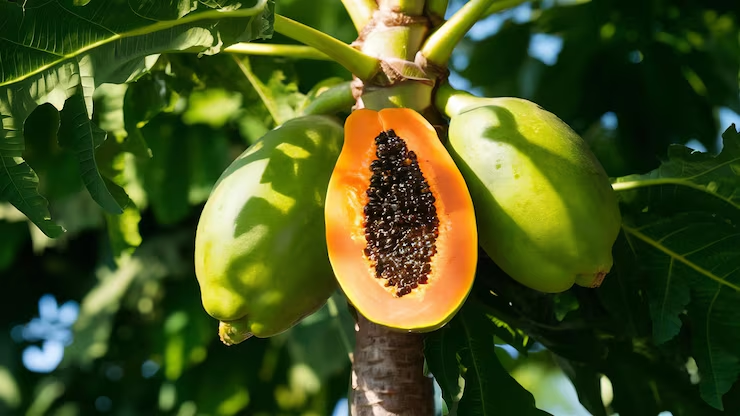
Cooking papaya degrades heat-sensitive Vitamin C and active papain enzymes. Enjoy papaya raw and fresh to get full enzymatic benefits.
A ripe papaya yields gently to thumb pressure and has bright yellow-orange skin. Fully ripe papaya is sweet, gentle on the stomach, and free from harsh latex.
Green papaya is firm and neutral in taste. It contains high concentrations of papain and latex, making it ideal for cooked stews or traditional shredded salads.
Pair papaya slices with a handful of walnuts or almond butter. Natural plant fats increase your body's absorption of fat-soluble beta-cryptoxanthin.
Traditional preparations and global recipes celebrating wholesome ingredients, balanced textures, and rich culinary heritage.
Sliced ripe papaya drizzled with fresh lime juice and a dash of chili powder for a classic Mexican fruit snack (Ensalada de Papaya).
Blend 1 cup of ripe papaya with 1/2 cup of fresh pineapple, coconut water, and fresh ginger.
Shredded firm unripe green papaya tossed with lime juice, garlic, cherry tomatoes, and crushed peanuts for a traditional savory digestive dish.
Layer cubed ripe papaya with plain Greek yogurt and a sprinkle of chia seeds for a gut-soothing, high-protein breakfast.
According to Healthline and clinical studies, papaya is rich in Vitamin C, Vitamin A, and digestive papain enzymes. Eating papaya helps improve protein digestion, relieve stomach bloating, support immune health, and protect cells from oxidative damage.
Yes! Papain is a natural proteolytic (protein-digesting) enzyme in papaya. It helps break down complex protein bonds in your stomach, speeding up digestion and relieving post-meal bloat and constipation.
Fully ripe papaya (yellow/orange skin) is safe and provides natural folate and Vitamin C. However, **unripe green papaya must be avoided during pregnancy** because green papaya latex can trigger uterine contractions.
Yes, in controlled portions. Papaya has a moderate Glycemic Index (GI 60) and contains about 7.8 grams of natural sugar per 100g. Enjoying half a cup of fresh papaya alongside healthy fats or protein keeps blood sugar steady.
Yes! Fresh ripe papaya flesh is safe and healthy for dogs in small amounts. Always remove the skin and black seeds before giving papaya slices to your pet.
Clinical research shows that carotenoids (like beta-cryptoxanthin) in papaya are stored in lipid micro-droplets rather than hard crystalline plant walls, making them up to 3 times more bioavailable in human digestion than carotenoids from carrots.
The benefits of papaya fruit make it a true tropical super-fruit for your gut, immunity, and skin! One cup of fresh cubed papaya (145 grams) provides **88.3mg of Vitamin C** (nearly 100% of your daily need!), **2.5 grams of fiber**, and only **62 calories**. Papaya is packed with a unique protein-digesting enzyme called **papain**. Clinical trials (PMID 23524622) show that eating papaya helps pre-digest heavy proteins, relieves stomach bloating and constipation, and supplies highly bioavailable carotenoids that protect your cells!
Have a moment? Share your feedback or suggestions via Google to help us produce even higher quality, evidence-based nutrition guides.
No saved articles yet.
Click the bookmark button 🔖 inside any article to save it here for offline reading!

Hi! I am Mapple AI, your food science research companion. Ask me anything about biomolecules, organic diet patterns, or longevity recipes.